Research and Studies in the Meteora – Pyli Geopark
This research serves as a cornerstone for the operation and mission of the Meteora–Pyli Geopark. Through the scientific studies conducted in the area, knowledge about the region’s geological, natural, and cultural heritage is continuously enriched and substantiated, reinforcing sustainable development and strengthening the connection between people and the environment.
The Geopark is not a static preservation site, but a living laboratory, open to researchers, students, and visitors who wish to explore in depth the unique geological phenomena, biodiversity, history, and local traditions of the Meteora and Pyli region. Like all UNESCO Global Geoparks, ours works closely with universities, research centers, and institutions, supporting interdisciplinary research in fields such as geology, ecology, cultural heritage, social economy, and sustainability.
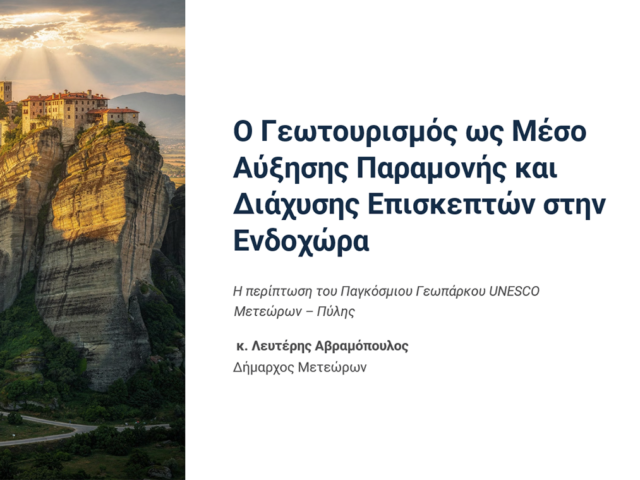
Modern tourism development is characterized by a high concentration of visitors in limited geographical areas, leading to overtourism and an uneven distribution of economic benefits. At the same time, vast areas of the interior remain underutilized for tourism, despite their significant natural and cultural wealth. In this context, geotourism emerges…
View more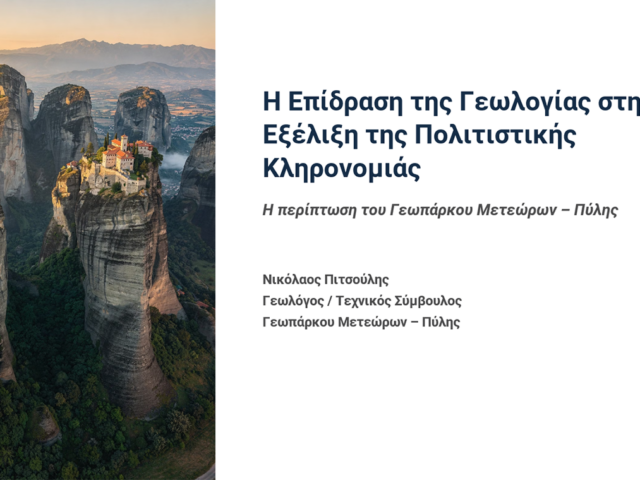
The relationship between geological context and cultural development is a critical area of study for understanding cultural landscapes. This paper examines the influence of geology on the formation of cultural heritage through a case study of the Meteora–Pili Geopark. The region combines unique geological features with deeply rooted cultural and…
View more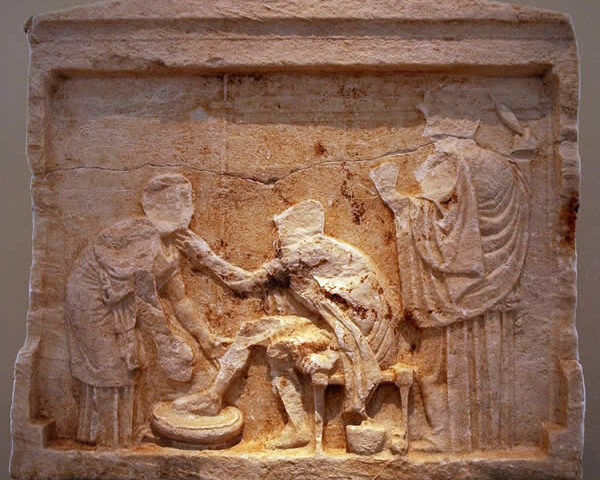
Their History Within the Broader Historical Context and Through the Written Sources Referring to Gomfoi Thessaly — the land of the mythical king of Phthia and progenitor of the Greeks, Deucalion, and his wife Pyrrha, whose ark, after Zeus’ deluge, is said to have come to rest atop Mount Karava…
View more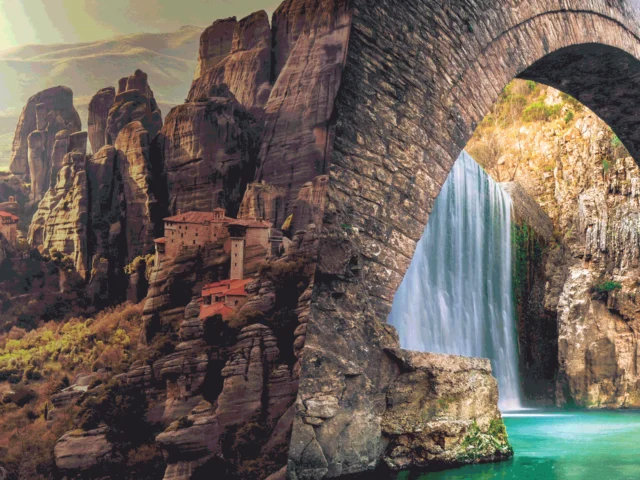
Geoethics, which addresses the ethical, social, and cultural dimensions of geoscientific activities, is essential for fostering responsible human engagement with the Earth,particularly within frameworks such as UNESCO Global Geoparks (UGGps). UGGpsplay a critical role in safeguarding geological heritage and advancing sustainable regionaldevelopment. This study introduces the Geoethical Awareness Scale (GAS),…
View more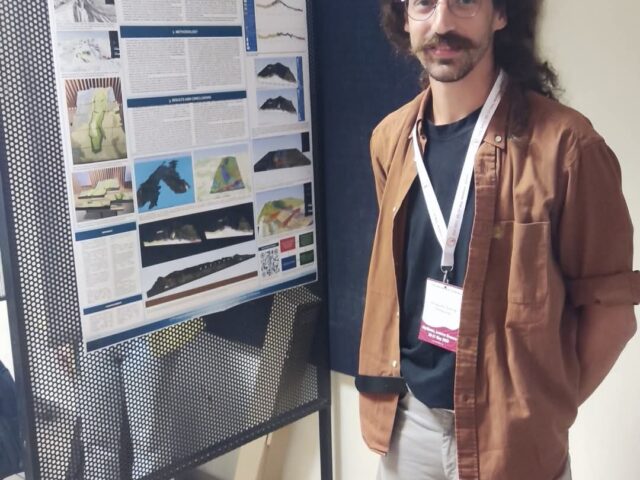
This study presents an innovative approach to promoting the geoheritage of Mount Koziakas, a significant geological formation in western Thessaly and part of the Meteora-Pyli Geopark. By utilizing open geographic data, geological maps, photo-interpretation, and digital elevation models from the Hellenic Cadastre, the researchers developed an interactive three-dimensional model using…
View more
